
 Marketing & Growth Audit — Prepared by Blue Circle Creative
The product and craftsmanship are already first-rate. This audit looks at how well the marketing and systems around it are set up to turn that quality into a steady, scalable flow of the right business.
The brand looks the part and the work speaks for itself. The gap is what happens after someone is impressed: how they are captured, qualified, and turned into a tracked, repeatable customer. Most of these gaps are quick and inexpensive to fix.
Several real strengths are already in place. These are assets to build on, not fix.
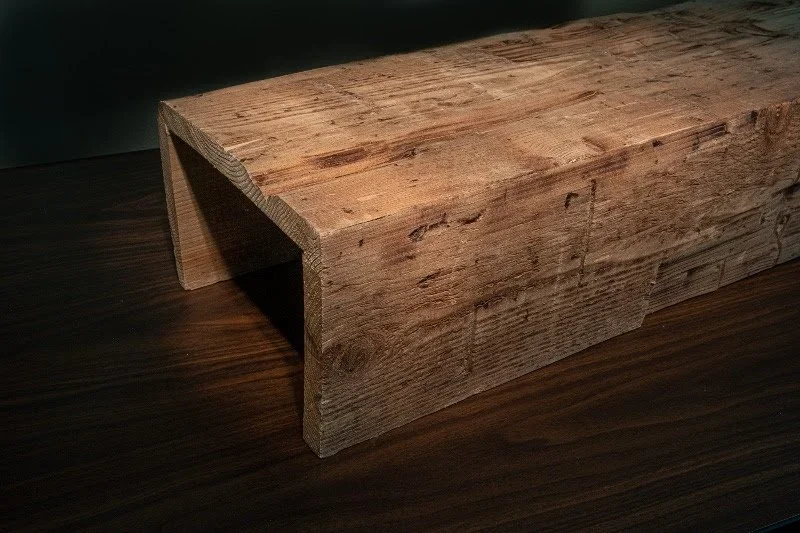
Lightweight, no structural support, and an invisible miter-lock seam. A real, defensible reason to choose you over heavier reclaimed beams.
The best real project photos are high-end and are the brand's biggest asset. Some current imagery is digitally enhanced, so the goal is more authentic, professionally shot work, with cleaner enhanced visuals as a near-term bridge.
Testimonials from designers and homeowners, including a 37-year interior designer, are exactly the trust signals your trade buyers look for.
None of these are about the product. They are about the path between "I'm interested" and "you have my project." Each one is fixable.
The contact page has a basic contact form, but the site leans heavily on phone and email, and most calls-to-action point people there to start a message from scratch. A short, structured quote or project intake (trade vs homeowner, project type, size, finish, timeline) tied to every call-to-action would capture and qualify leads before the first conversation, instead of starting each one cold.
The homepage advertises flooring, stairs, millwork, mantels, tongue-and-groove, and wallboard, but only Box Beams and Installation have real pages. That is five missing sales pages and five missing ways to be found in search, all ready to build. The pages that do exist are thin, which classic search and AI answer engines both penalize, so building them out plus a simple FAQ page would lift both.
The strongest signals point to designers and builders as the repeat engine, yet the site is framed for direct homeowners. Aligning the message, and adding a trade path with spec resources and samples, to the buyers who drive volume is a meaningful unlock.
The Google Business Profile is well-rated but sits on just two reviews, the address is inconsistent across the web, and there is no presence on Houzz, the platform designers use most. Low-cost, high-trust ground the national competitors cannot easily take.
No analytics installed, no conversion tracking, and the phone-driven inquiries that likely matter most are untracked. Before optimizing anything, the business needs to be able to see what is actually working. There's also no advertising pixel on the site, so paid ads and retargeting aren't even possible yet.
The privacy policy is boilerplate, there is no cookie banner, and the site's accessibility (ADA) falls short in places. None are urgent on their own, but together they are low-cost to fix and reduce real risk as traffic and visibility grow.
Credit where it's due: a branded newsletter has gone out nearly every month since 2024, 32 campaigns and counting. That habit is the hard part, and it's already in place. The opportunity is pointing it at a growing, segmented list with clearer calls to action.
A great site only pays off when it is wired into how you capture, track, and fulfill the work. The real opportunity is connecting three lanes so the business runs predictably as it grows.
How the right customers find you and reach out: website, brand, local search, and the builder and designer relationships that drive repeat work.
Where every lead and job is captured and tracked: a real CRM and pipeline, so nothing lives in an inbox and you can see what is coming.
How a job runs from quote to delivery: repeatable, measurable, and not dependent on any one person to keep moving.
The early CRM work underway is a real head start on the Systems lane, the backbone most businesses this size are missing. Connecting it to Demand and Operations is what turns three separate efforts into one engine.
The current site is a solid near-term foundation; as the catalog and content grow, it's worth planning for the platform to scale with the business.
This audit is a starting point, not a verdict. The most valuable next step is understanding your goals and how the business really runs, so any plan fits you specifically.
Where do you want the business to be in three to five years, and what needs to change to get there?
Where does most of your revenue actually come from today: builders, designers, or direct homeowners?
How do leads come in now, and where do they land once they do?
Walk me through a job from quote to delivery. Where do things stall or get stuck?
Which parts of the business only happen when Joe or Greg do them personally?
A summary of this audit is available as a PDF to keep and share with the team.
↓ Download the Audit PDF
Good raw material, not yet a strategy.
The projects and photography here are already strong, so the gap isn't the work. It's consistency, format, and using these channels to reach the designers and builders who actually drive the business.
What's working
Where it's falling behind
What they could be doing
Social isn't a separate project. It's part of the demand lane: one piece of project content can feed Instagram, Houzz, Pinterest, the website, and email at once, and tagging the trade puts the work straight in front of the people who specify it.